Vanishing Points · A Hymn of Spires
Vanishing Points - A Hymn of Spires
Vanishing Points · A Hymn of Spires
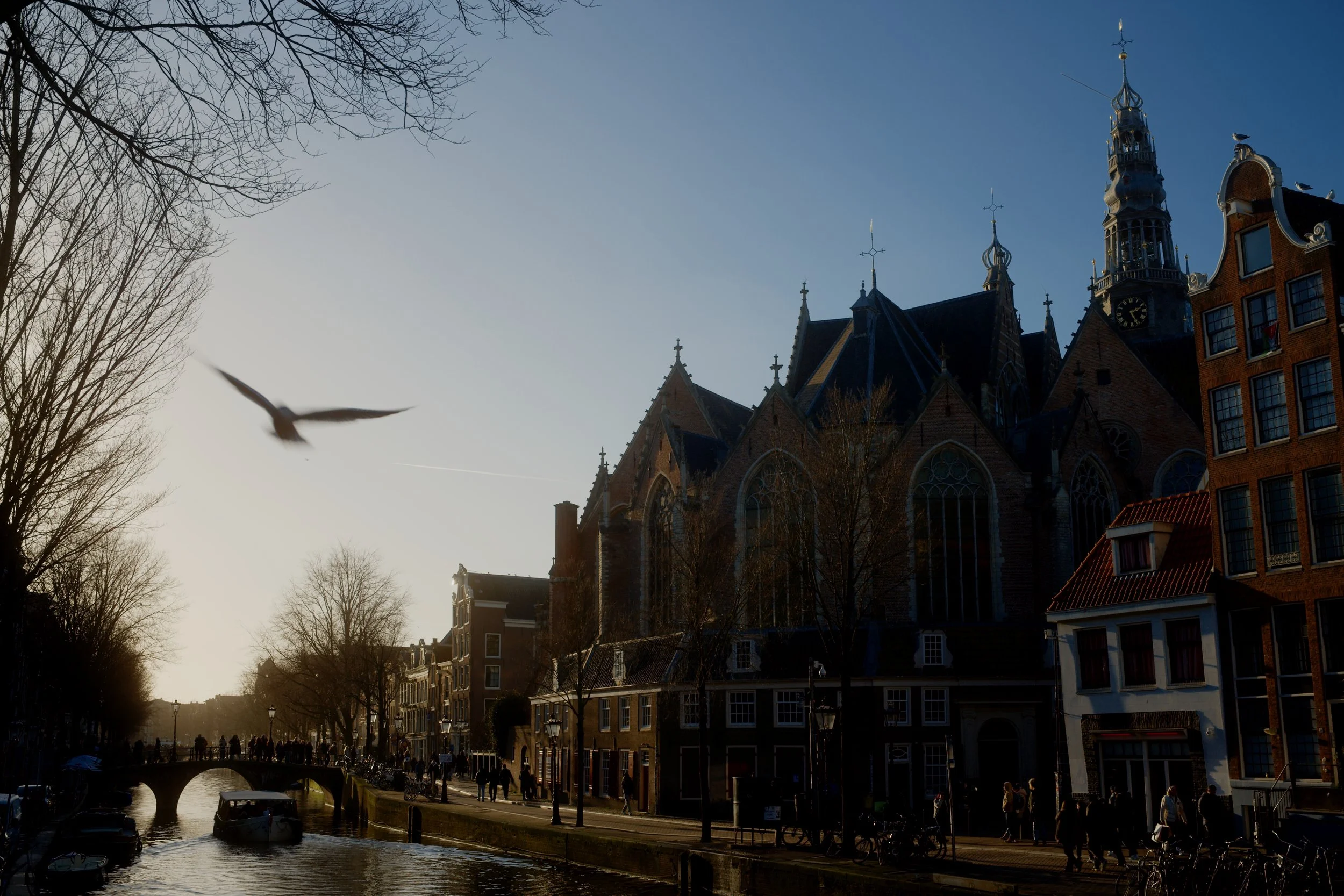
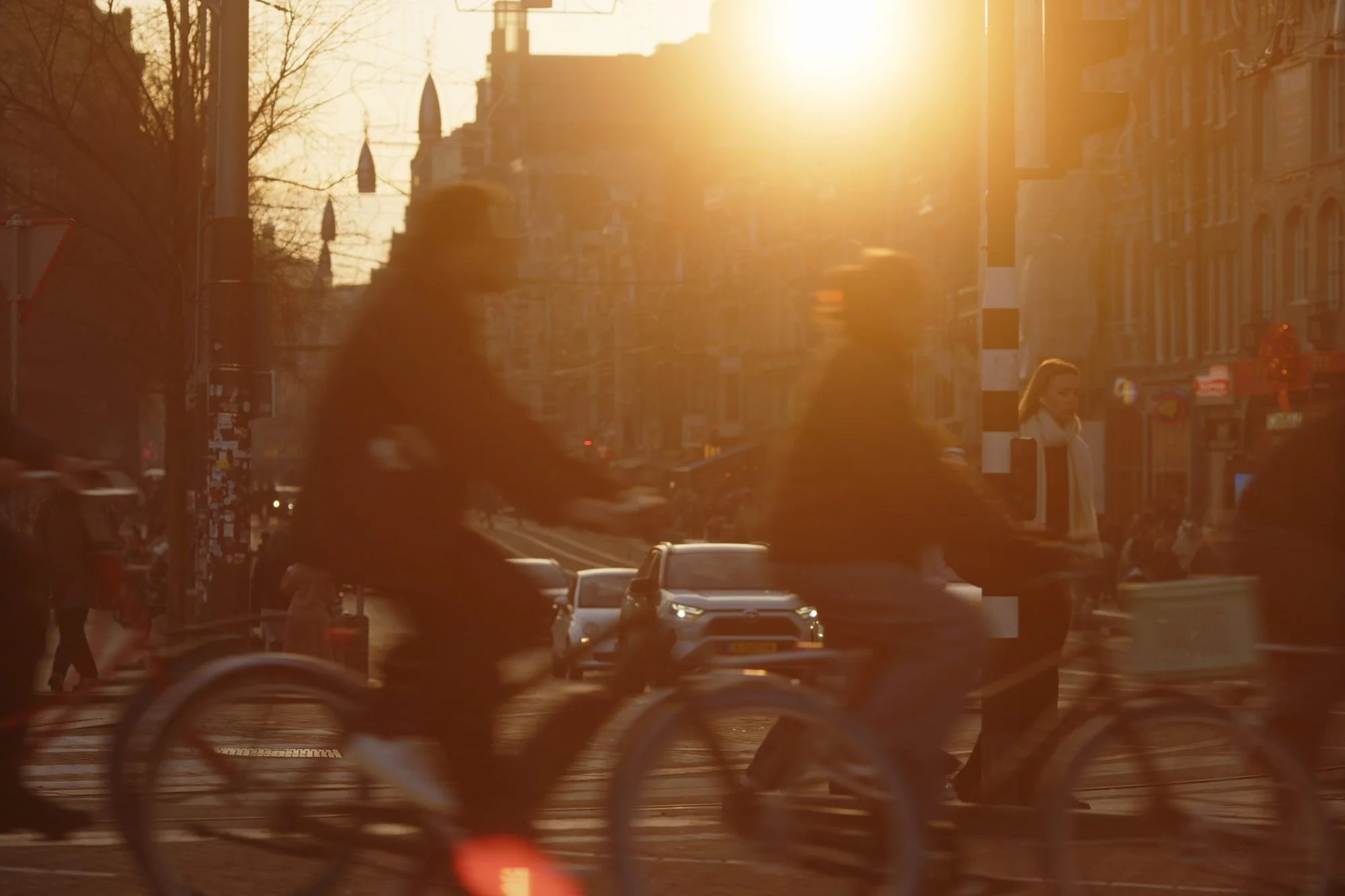
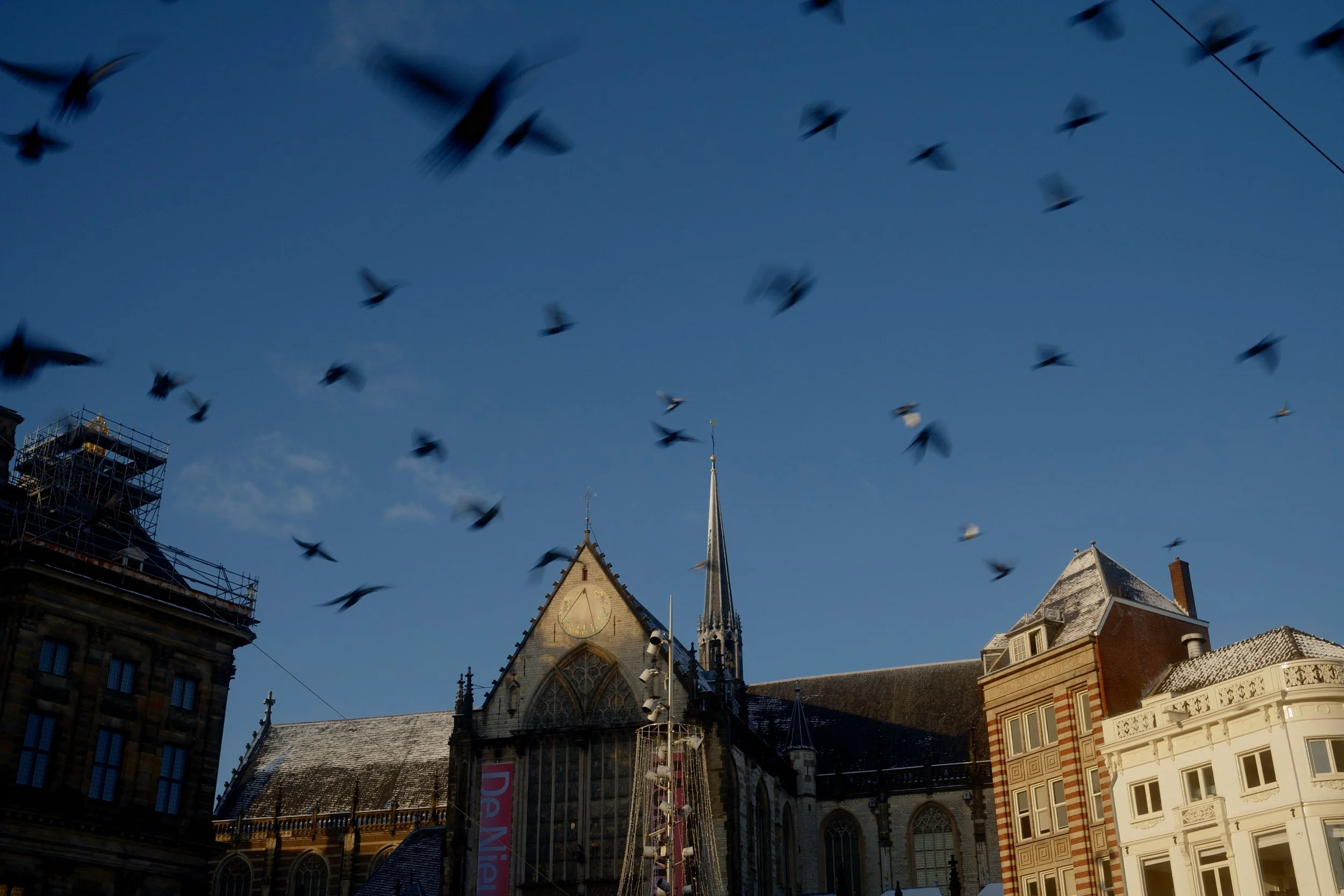
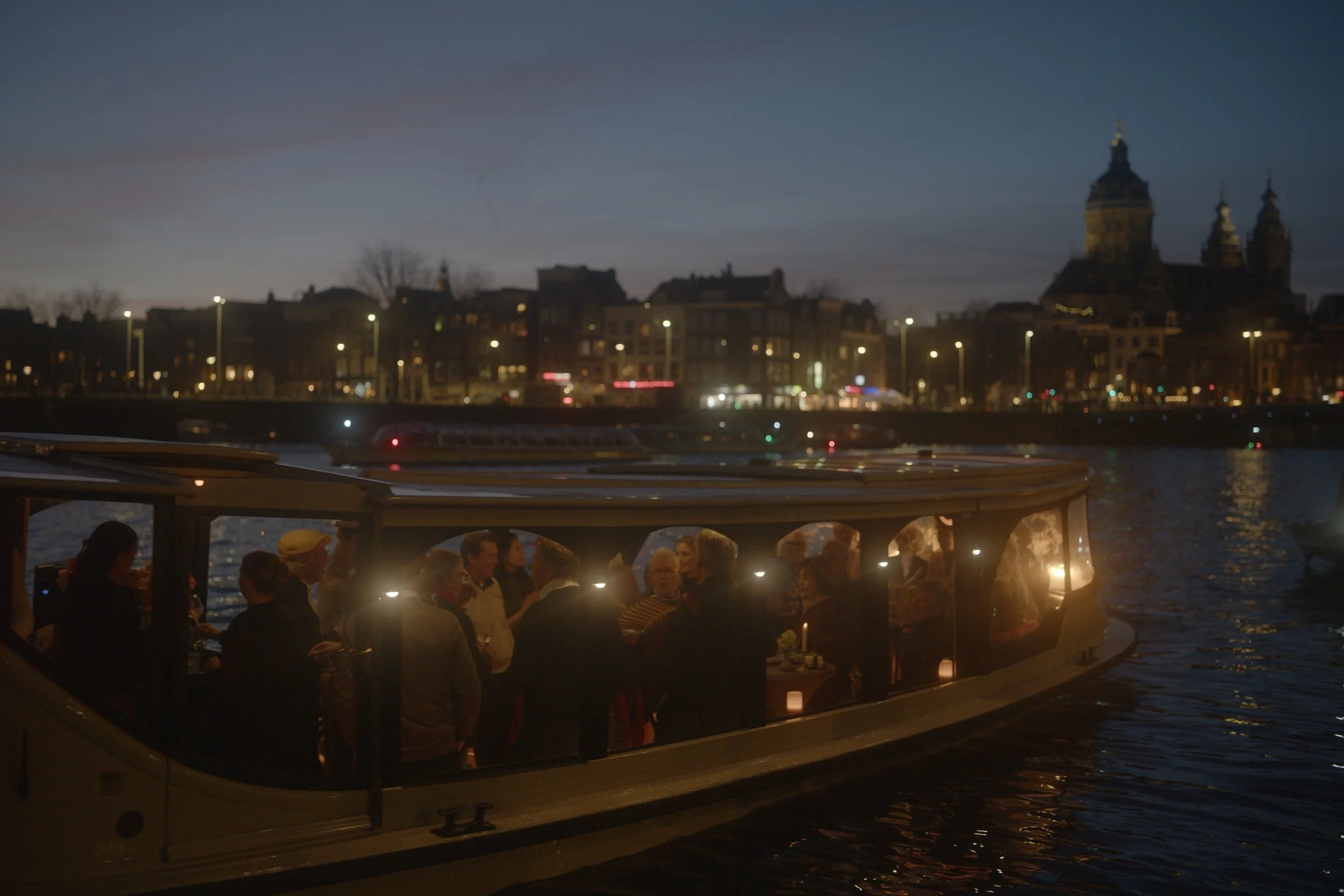
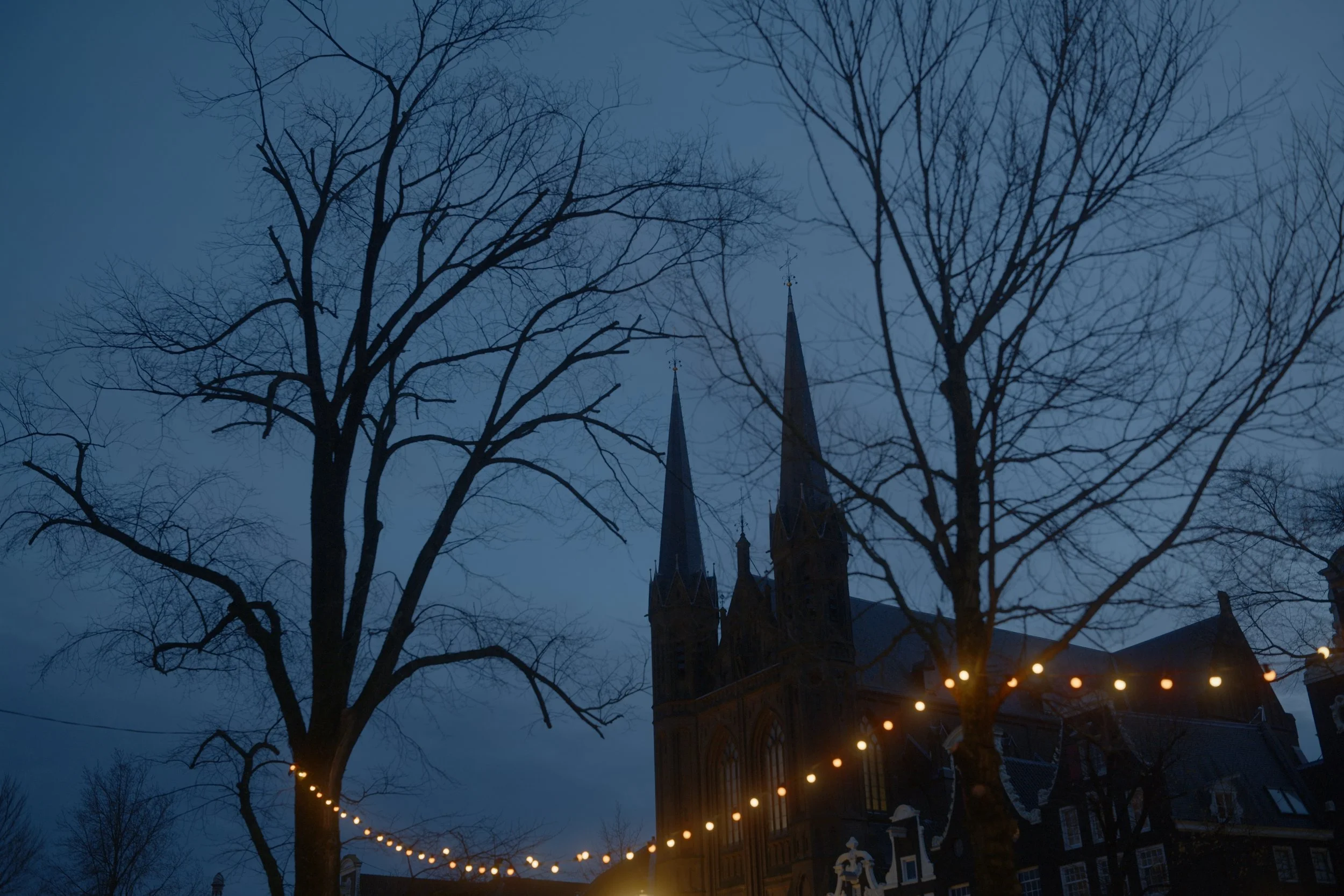
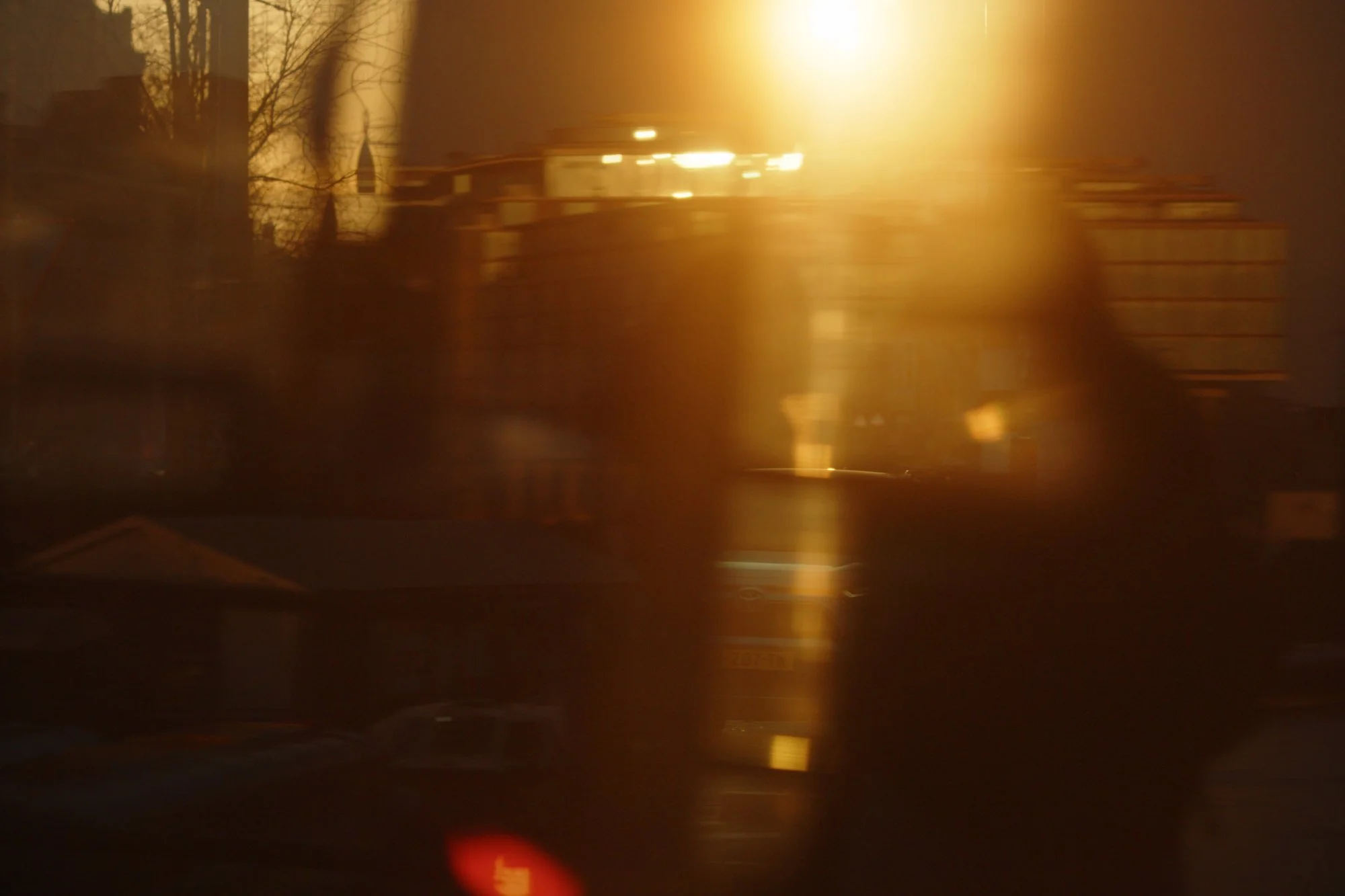
Filmed in Amsterdam between 2025 and 2026, Vanishing Points uses tightly composed, locked-off frames to capture the city’s church spires as steady figures in a landscape.
In a city shaped by constant motion, the vertical lines of the spires stand apart. The film traces their contours not as monuments, but as quiet observers. Rising above the ebb and flow of daily life, they carry the soul of the old city and offer a visual and emotional counterpoint to the flattening pace of modernity.
Set to an original score and layered with stereo field recordings, the film creates immersive audiovisual cityscapes that invite viewers to look again, and more slowly, at what endures. Vanishing Points is a quiet study in vertical resistance, grounded in the enduring presence of structures shaped across centuries.
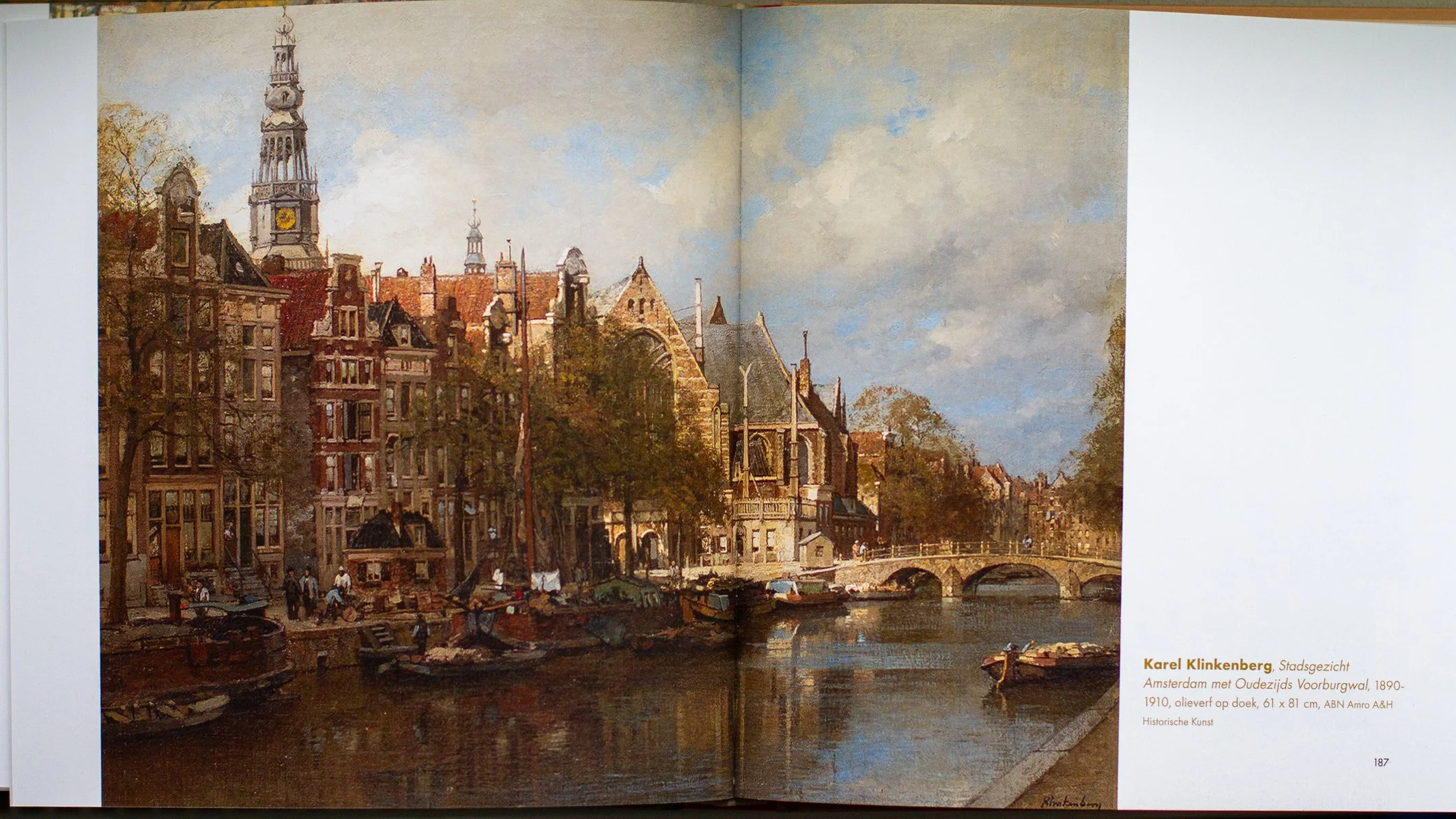
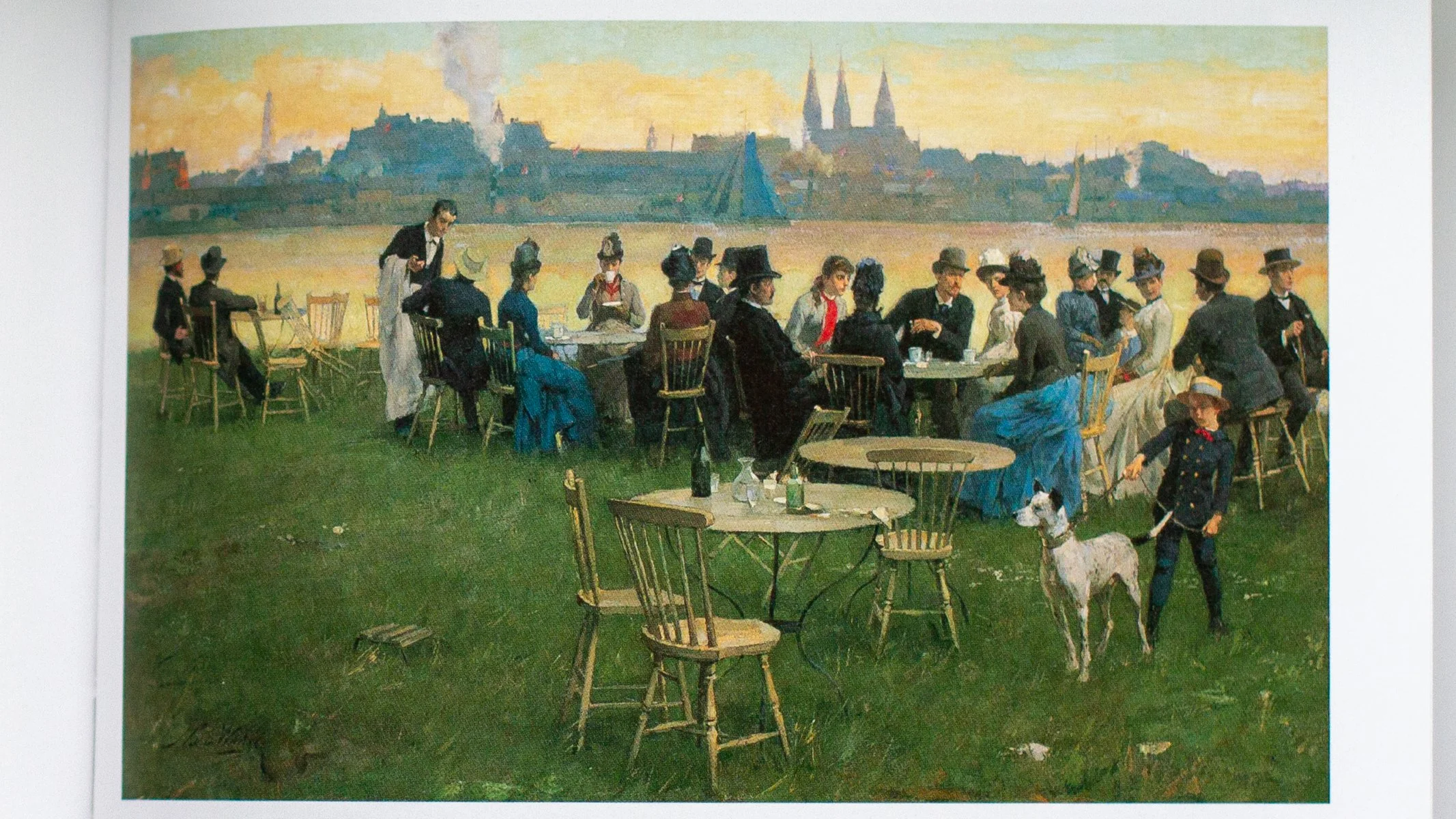
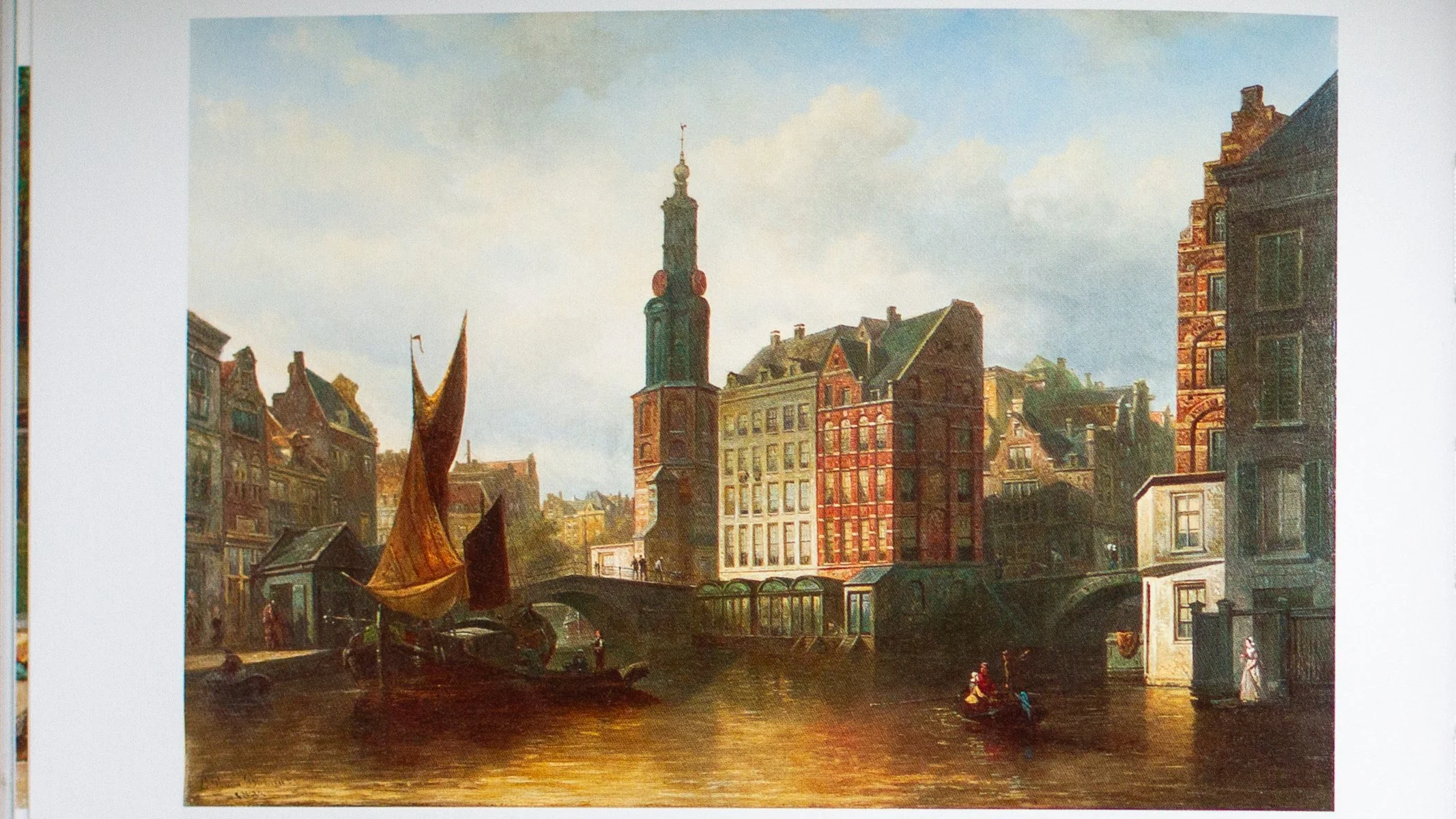
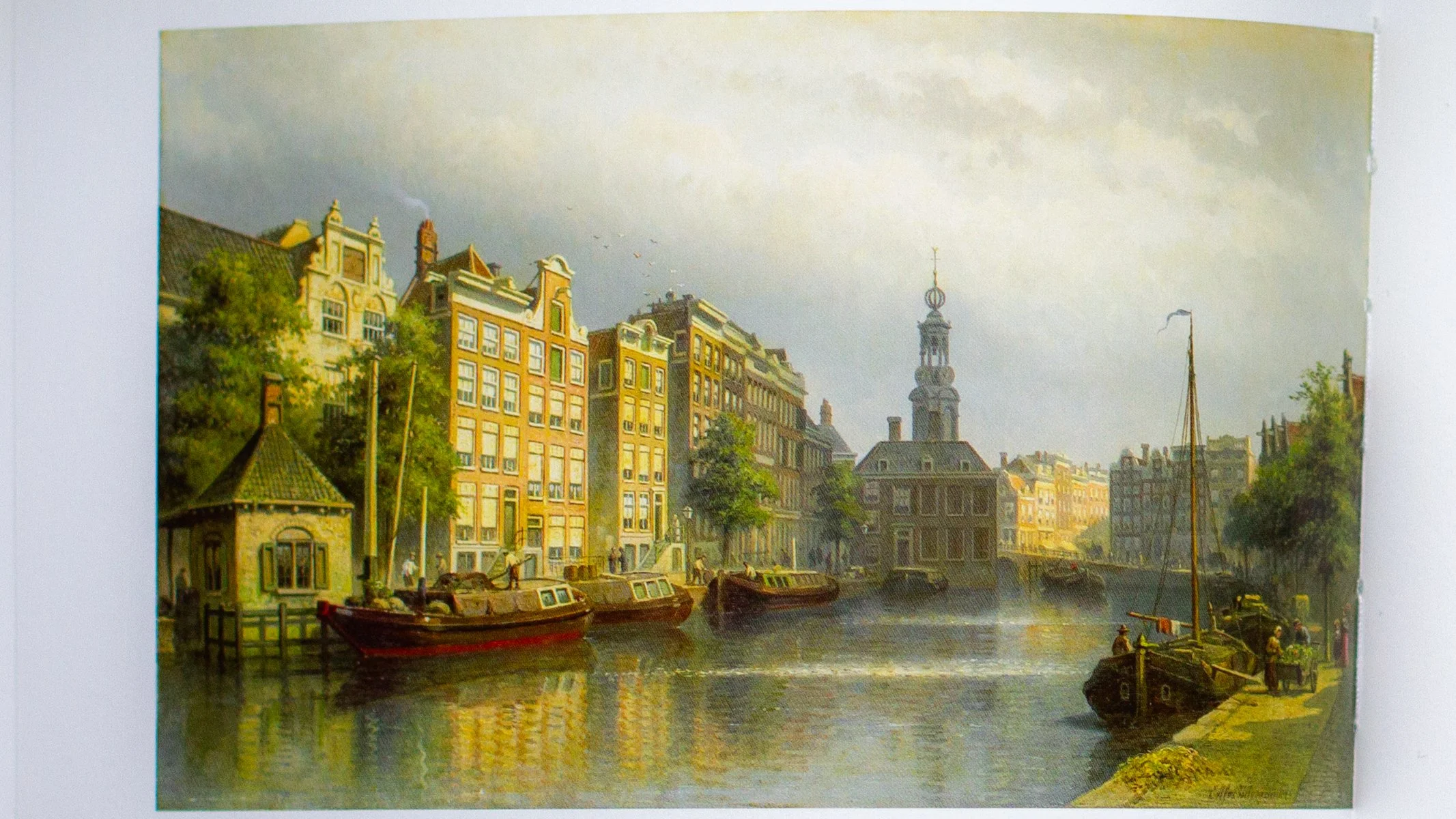
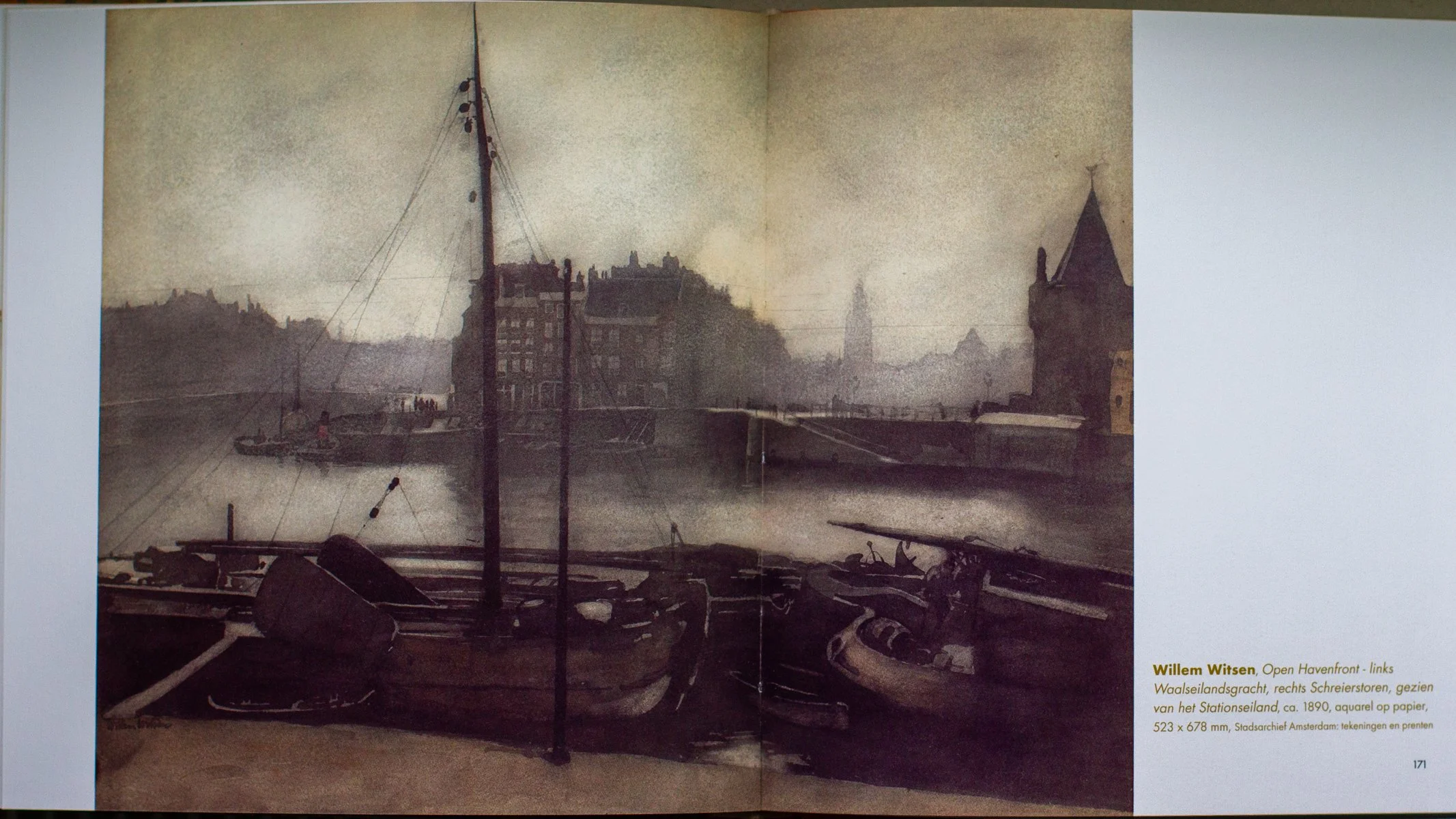
The initial inspiration for this project came from classic Amsterdam cityscapes by painters such as Karel Klinkenberg, Edvard Hilverdink, Willem Witsen, Nicolaas van der Waay, and Elias Pieter van Bommel. These paintings are featured in The Painters of Amsterdam by Werner van den Belt and Bob Hardus, published by W-Books. The book provided a valuable visual reference and historical grounding for the approach to the short film.
-
I live my life in widening circles
that reach out across the world.
I may not ever complete the last one,
but I give myself to it.I circle around God, around the ancient tower.
I’ve been circling for a thousand years,
and I still don’t know: am I a falcon,
a storm, or a great song?The poem Widening Circles, by Rainer Maria Rilke, at the end of the short film was first published in The Book of Hours (1899–1903), the poem reflects Rilke’s early engagement with mysticism, solitude, and the search for the divine in everyday experience.
-
Camera & Format
The film was shot on the Blackmagic Pyxis 6K, using its 6K Open Gate mode. This full-sensor format (3:2 aspect ratio) mirrors the proportions found in many classical landscape paintings that inspired the project.
Lenses
I used a mix of Nisi Athena and Sigma Art prime lenses. My first project working with the Nisi Athena cinema lenzes.
Field Recording
Ambient audio was recorded using the Audio-Technica BP4025 stereo microphone, paired with a Tascam FR AV2 recorder. Audio was synced to the camera using Deity TC-1 timecode devices. Captured in 32-bit float, this setup preserves dynamic range while remaining unobtrusive, allowing for immersive audiovisual cityscapes.
Original Score
The soundtrack was self-produced using a curated collection of cinematic instruments and a small collection of analog synths.
The closing theme is a reinterpretation of the hymn Let All Mortal Flesh Keep Silence. Its melody, Picardy, is a French folk tune that dates back to the 17th century and was later arranged by Ralph Vaughan Williams in The English Hymnal (1906).
Colour & Post
Grading was done in DaVinci Resolve, with colour references drawn from the classic paintings of Amsterdam by the likes of Karel Klinkenberg, Edvard Hilverdink, Willem Witsen, Nicolaas van der Waay, and Elias Pieter van Bommel.